Heat Pumps Are Becoming Mainstream in Victoria BC
Why Heat Pumps Make Sense in Victoria
A heat pump works differently than a traditional electric furnace, gas furnace, or baseboard heater. Instead of creating heat from scratch, it moves heat from one place to another. During the winter, it pulls heat from the outdoor air and transfers it indoors.
During the summer, it reverses the process and moves heat out of the home, working much like an air conditioner.
This is one of the biggest reasons heat pumps are becoming so popular. A single system can provide both heating and cooling. In Victoria, where many older homes were built without central air conditioning, that is a major advantage.
Homeowners are no longer only thinking about winter heating. They are also thinking about summer comfort, indoor air quality, energy use, and long-term operating costs. A heat pump can help with all of those goals when it is installed correctly.
For local homeowners, common reasons to install a heat pump include:
- Better heating efficiency
- Reliable summer cooling
- Lower dependence on older heating systems
- Improved comfort in hard-to-heat rooms
- More consistent temperatures
- Quieter operation
- Better control over different areas of the home
That is why searches for heat pump installation in Victoria BC, ductless heat pumps Victoria, and heat pump contractors near me continue to grow.
The Efficiency Advantage
The biggest attraction of a heat pump is efficiency. Traditional electric resistance heating, such as baseboards or electric furnaces, turns electricity directly into heat. A heat pump uses electricity to move existing heat, which means it can often deliver much more heat energy than the electricity it consumes.
This is why heat pump ratings matter. When homeowners compare systems, they may see terms like COP, HSPF2, SEER2, and EER2. These ratings are not just technical details. They help explain how well a system performs in real-world heating and cooling conditions.
COP, or coefficient of performance, measures how much heat the system can deliver compared to the electricity it uses. HSPF2 helps estimate heating efficiency over a season. SEER2 and EER2 help measure cooling performance. In simple terms, higher numbers usually mean better efficiency, but only when the system is properly matched to the home.
For Victoria homeowners, cold-weather performance is especially important. A heat pump may have a good seasonal rating, but you also want to understand how it performs when the temperature drops. Modern cold-climate heat pumps are much better than older models, but equipment selection still matters.
Cold-Climate Heat Pumps Have Improved
One reason heat pumps are becoming mainstream is that the technology has improved. Years ago, many homeowners believed heat pumps could not handle colder weather. That reputation came from older equipment that often needed backup heat sooner and struggled when outdoor temperatures dropped.
Today’s cold-climate heat pumps are different. Compressors are better, controls are smarter, and low-temperature output has improved. In a well-insulated Victoria home, a properly selected heat pump may be able to handle most or even all of the heating demand.
That does not mean every home needs the same system. A newer, well-insulated house in Langford may have very different needs than an older character home in Oak Bay or a drafty home in Esquimalt. The home’s insulation, windows, layout, ductwork, and exposure all affect performance.
This is why professional assessment is so important. The best heat pump is not always the biggest one. In fact, oversizing can create comfort problems, short cycling, and reduced efficiency. The right system should match the actual heating and cooling load of the home.
Ducted Heat Pumps for Whole-Home Comfort
There are two main installation styles for residential heat pumps: ducted and ductless.
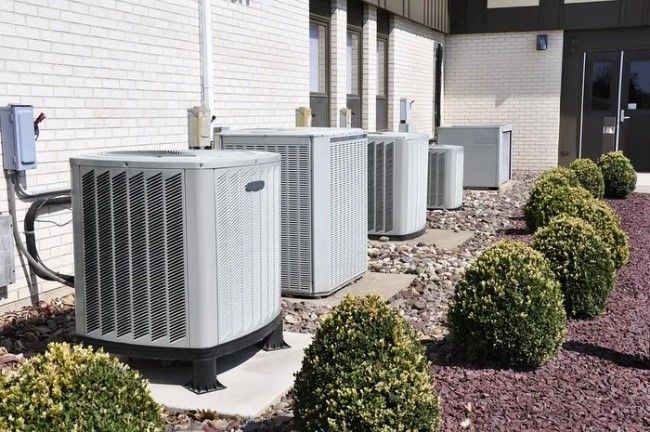
A ducted heat pump connects to a forced-air duct system. This can be a good option for homes that already have ductwork from an existing furnace. A ducted system can distribute heating and cooling throughout the home using the same vents and registers.
For many Victoria homeowners, this is a clean and practical upgrade. If the ductwork is in good condition, a ducted heat pump can provide whole-home comfort without adding indoor wall units in every room.
However, ductwork must be inspected before installation. Poor airflow, undersized ducts, leaks, or weak return air can limit performance. A high-quality heat pump connected to poor ductwork will not perform as well as it should.
At Victoria Heat Pumps, we look at the whole system, not just the outdoor unit. Proper airflow, sizing, thermostat setup, and installation details all affect the final result.
Ductless Mini Split Heat Pumps
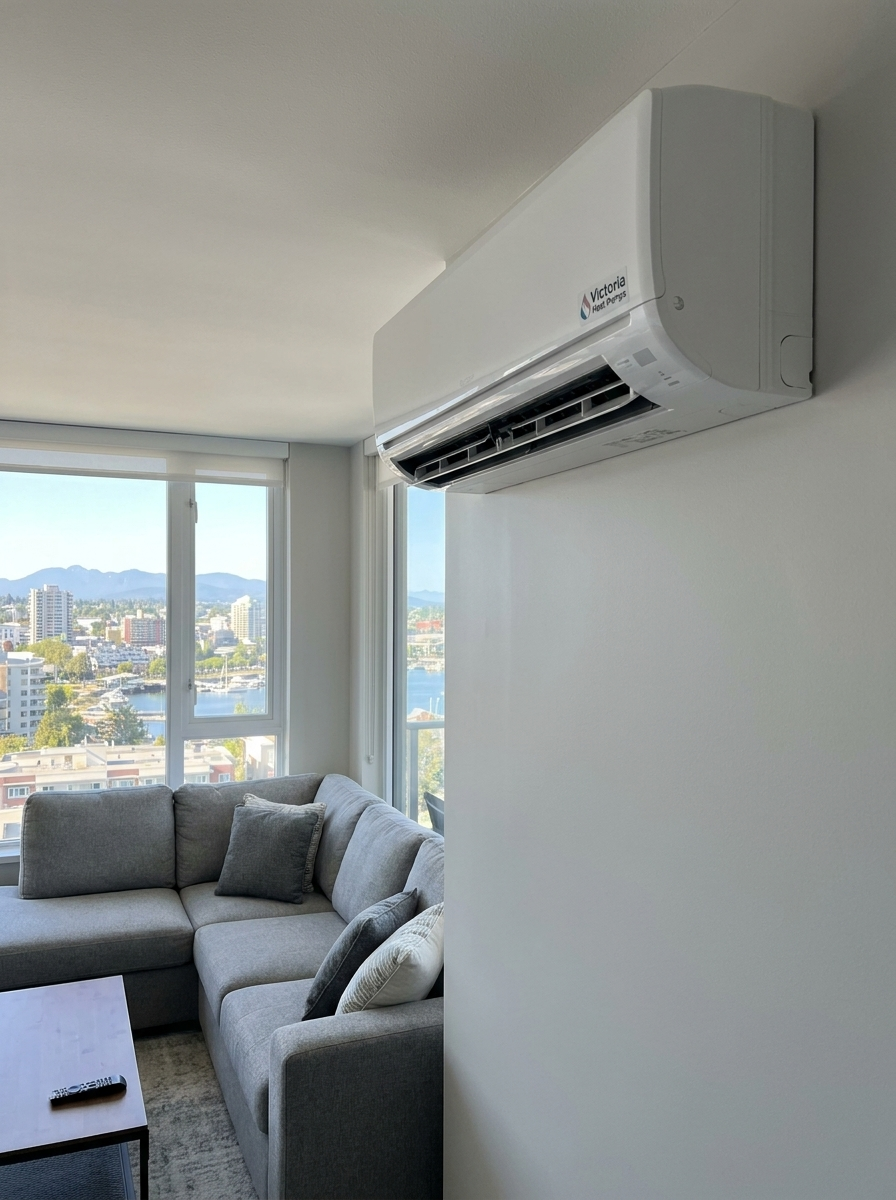
Ductless mini split heat pumps are another excellent option, especially for homes without existing ducts. These systems use one or more indoor heads connected to an outdoor unit. They are popular for homes with baseboard heat, additions, suites, workshops, cottages, and rooms that never seem comfortable.
Ductless systems are flexible because they allow targeted heating and cooling. A single-zone system may serve a main living area, while a multi-zone system can serve bedrooms, offices, and other important spaces.
Ductless heat pumps are especially useful when:
- The home has no ductwork
- One area is always too hot or cold
- A suite needs independent comfort
- A home office needs cooling
- The homeowner wants zone control
- Adding ductwork would be too invasive
For many Victoria homes, ductless heat pump installation is the most practical path to efficient heating and cooling.
Installation Quality Matters
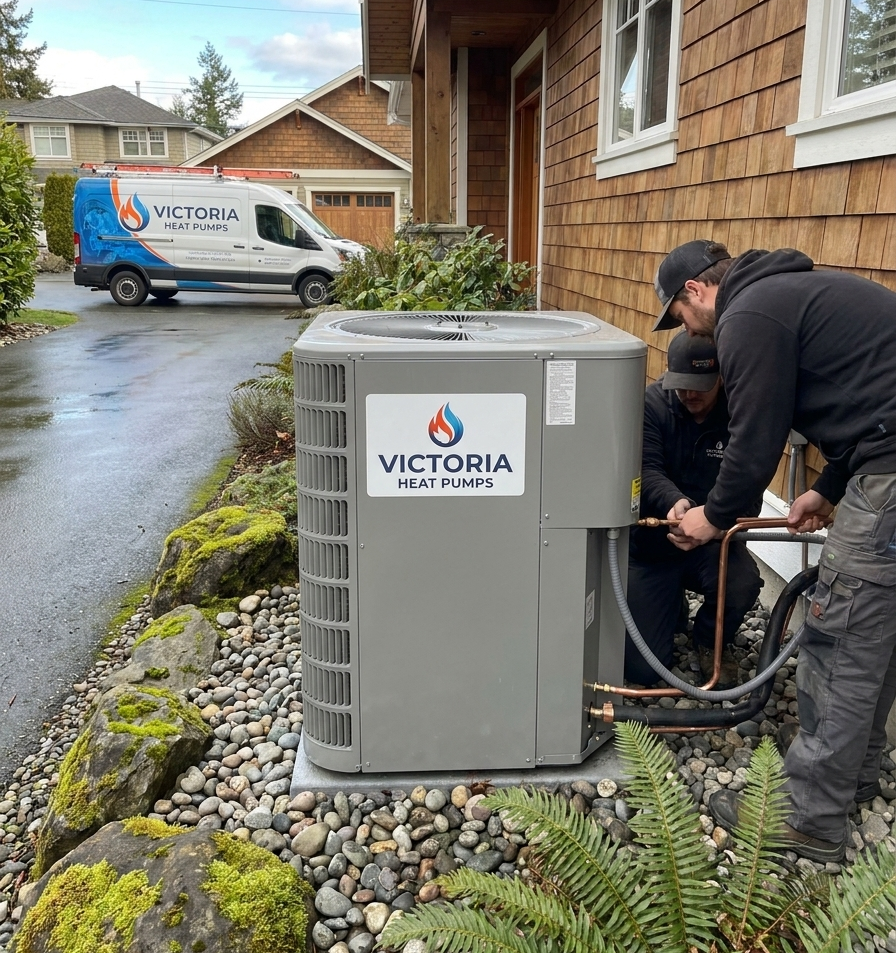
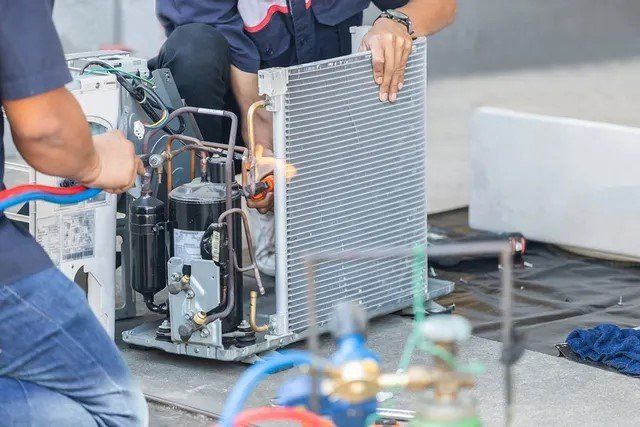
Heat pumps are sometimes marketed as simple, but proper installation still requires skill. Electrical work, refrigerant line handling, wall penetrations, condensate drainage, outdoor unit placement, permits, and warranty rules all matter.
Even systems that look simple can create problems if installed incorrectly. Poor drainage can cause water issues. Bad line routing can affect appearance and service access. Incorrect sizing can reduce comfort. Poor placement can make the outdoor unit noisy or inefficient.
A professional installation should include:
- Proper home assessment
- Correct equipment sizing
- Clean indoor and outdoor placement
- Safe electrical connections
- Proper refrigerant line installation
- Condensate drainage planning
- Full system testing
- Homeowner education
When the job is done right, the heat pump should operate quietly, efficiently, and reliably.
Choosing the Right Heat Pump in Victoria BC
The most important decision is not simply choosing a brand. It is choosing the right system for the home. That includes the type of heat pump, the size, the number of zones, the installation location, and the expected heating load.
At Victoria Heat Pumps, we help homeowners make sense of the options. We look at your home, your comfort concerns, your current heating system, and your goals for heating and cooling. Then we recommend a system that makes sense for your property.
Heat pumps are becoming mainstream because they solve real problems for Canadian homeowners. In Victoria, they are especially well suited to our climate. Whether you want lower energy use, better comfort, summer cooling, or a modern replacement for older heating equipment, a heat pump is worth considering.
For professional heat pump installation in Victoria BC, contact Victoria Heat Pumps. We can help you choose the right system, install it properly, and keep your home comfortable through every season.
You might also like